













Every year, thousands of Houston homeowners file property damage claims on their own — and most of them have no idea how much money they are leaving on the table.
They photograph the damage, submit the forms, wait through the inspection, and accept the check their insurer sends. The process feels legitimate. It often is not — at least not in terms of what a full, properly documented claim should pay out.
The reason is straightforward: the insurance company's adjuster is trained to protect the company's financial interests. You, filing alone, are not trained at all. That is precisely what a licensed public adjuster is for.
The Problem: Your Insurance Company Has a Team. You Don't.
When your home or commercial property is damaged, your insurance company does not simply write you a check. It assigns a professional — either a staff adjuster employed by the insurer or an independent adjuster contracted by them — to assess the damage and determine what the company owes you.
That adjuster knows your policy inside and out. They have years of experience identifying what to include in a claim scope and, just as importantly, what to leave out. They have access to estimating software, depreciation tables, and legal resources. They are paid, directly or indirectly, by the same company that benefits from minimizing your payout.
Most policyholders walk into that inspection alone, with a few photos on their phone and no idea how their policy coverage language actually applies to their specific loss. The result is predictable: settlements that reflect what the insurer's adjuster documented, not what the property actually needs to be fully restored.
What Is a Public Adjuster?
A public adjuster (PA) is a licensed insurance professional who works exclusively on behalf of the policyholder during the insurance claims process. They do not work for the insurance company. They are not contractors. They are claims specialists whose entire job is to represent your interests in documenting, filing, and negotiating your property damage claim.
In Texas, public adjusters are licensed and regulated by the Texas Department of Insurance (TDI). Under Texas law, a public adjuster's fee cannot exceed 10% of the final settlement amount — meaning they are directly incentivized to maximize your claim. If they don't recover more for you, they earn less.
At A+ Public Adjusters, we operate on a simple principle: no recovery, no fee. You do not pay anything upfront.
What a Public Adjuster Does From Day One
Policy Review — Reading Your Coverage So You Don't Have To
Before anything else, a public adjuster reviews your insurance policy in full. A PA identifies exactly what is and is not covered, what deductibles apply, whether you have Replacement Cost Value (RCV) or Actual Cash Value (ACV) coverage, and whether any endorsements apply to your loss.
Damage Assessment — Finding What the Insurer's Adjuster Missed
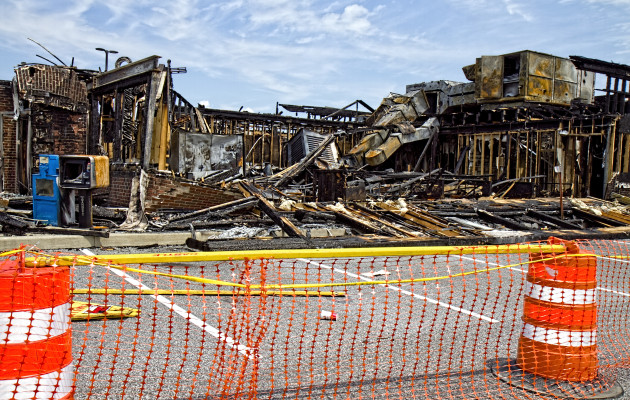
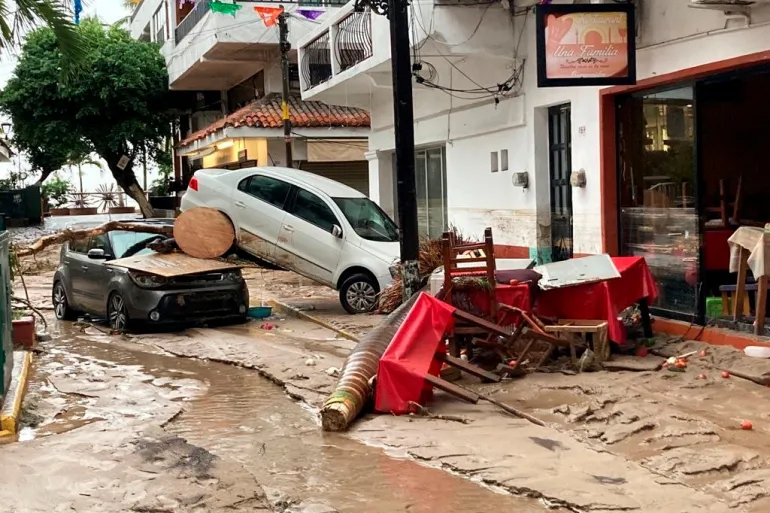
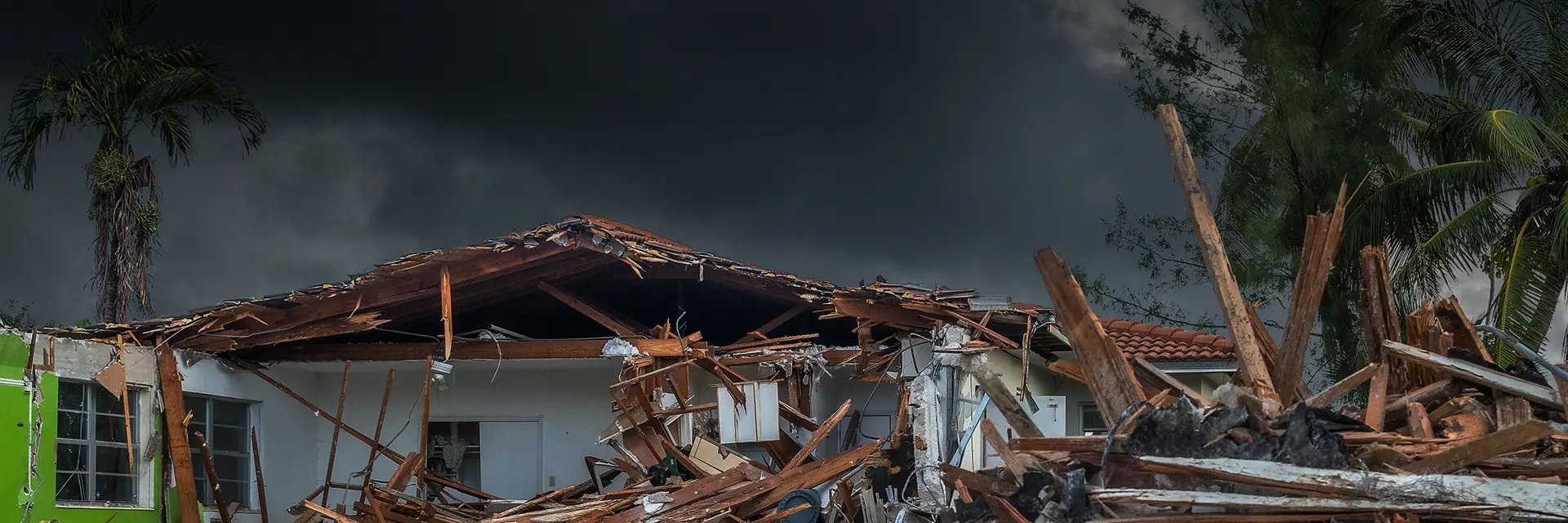
A public adjuster conducts an independent, comprehensive damage inspection — often identifying damage that the insurer's adjuster did not include. In Houston properties, this frequently means water intrusion behind walls, roof damage to flashing and ridge caps, HVAC system damage, structural compromise from moisture, and smoke penetration beyond the room of origin.
Documentation — Building an Airtight Claim File
A public adjuster builds a professional claim file: detailed photographs, moisture readings, written scope of loss, independent contractor estimates, and in complex cases, engineering or industrial hygiene reports. Every item is documented with enough specificity that the insurer cannot reasonably dispute it.
Negotiation — Going Back to the Insurance Company on Your Behalf
Once the claim is filed, the insurer responds with their estimate. A public adjuster negotiates directly with the insurance company's representatives. They understand the estimating software insurers use, know what line items are routinely undervalued, and recognize when an exclusion is being applied incorrectly.
Settlement Maximization
The goal is the correct number: what your settlement should reflect under the full terms of your policy, including contractor overhead and profit, code upgrade costs where applicable, and full replacement cost for personal property.
When Should You Hire a Public Adjuster in Houston?
- Immediately after a major loss — fire, water damage, storm, hail, hurricane
- When your settlement feels low — a PA can file a supplemental claim even after a first payout
- When your claim has been denied — a denial is not a final answer in Texas
- When damage is complex — commercial losses, multi-room fires, structural water damage
Your insurance company has a team. So should you.
Free consultation — no upfront cost. No recovery, no fee.
Get a Free Claim Review →A+ Public Adjusters is licensed by the Texas Department of Insurance. We serve homeowners and commercial property owners throughout Houston, Harris County, Fort Bend County, Montgomery County, and surrounding communities.